
free-seo-tools-better-rankings
Free SEO tools can do far more than generate quick reports; used strategically, they give you a clear roadmap to fix issues and improve rankings. This guide shows how to turn free tools into a simple, repeatable workflow you can apply to any website, like those at https://seofreegenius.com/.
1. Quick Technical Health Check

Before chasing keywords or backlinks, make sure search engines can crawl and understand your site.
- Run a basic on‑page/technical check using the free tools you already have available (for example, anything that shows status codes, meta tags, or basic page performance).
- Look for obvious problems such as broken links, missing title tags or descriptions, very slow pages, and any remaining non‑secure URLs that still use HTTP instead of HTTPS.
- Prioritize fixes that impact many pages at once: redirects for 404 errors, compressing large images, improving mobile usability, and standardizing canonical URLs. Treat this like a routine check-up. A technically healthy site makes every other SEO effort more effective.
🚀 Quick Check: Is your site online and responding? Check it with our Free Server Status Checker
2. Fix and Optimize Meta Tags
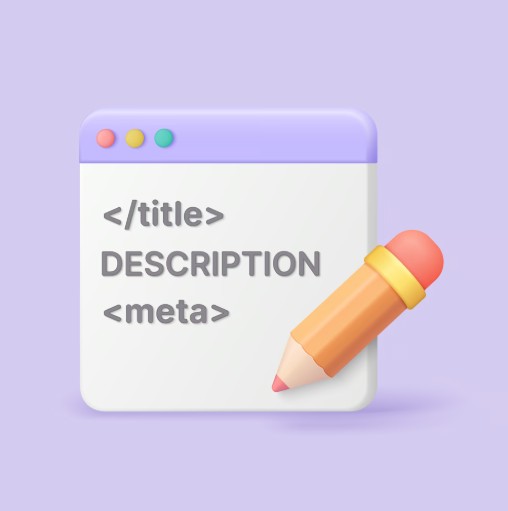
Title tags and meta descriptions are still some of the strongest on‑page signals, and free analyzers make them easy to improve.
- Use a meta‑tag or snippet‑preview tool to review how your titles and descriptions currently appear for important pages.
- Rewrite weak tags to include your primary keyword, a clear benefit, and a reason to click (numbers, outcomes, or a strong call to action), while keeping within recommended length.
- Avoid duplication: each important page should target a distinct topic and have its own unique title and description so search engines understand which page should rank for which query. Well‑optimized meta tags improve both rankings and click‑through rate, giving you more traffic without creating new content.
3. Target Real Searches with Keywords

Guessing what people search for is a fast way to waste effort. Free keyword tools give you actual query ideas and basic volume estimates.
- Start with a broad topic related to your niche and generate related keyword ideas using our Free Keyword Suggestion Tool.
Try it now: simply enter a broad topic (e.g., “vegan recipes”) into the tool, and it will instantly generate hundreds of long-tail keyword ideas for you—completely free. - Pay attention to long‑tail phrases that show clear intent, such as “how to write meta descriptions for product pages” or “check backlinks for free” rather than only chasing broad, ultra‑competitive terms.
- Group related keywords into topics and assign each group to a specific page or blog post you plan to create or improve.
Targeting focused, long‑tail terms helps you rank faster and attract visitors who are more likely to engage, subscribe, or convert.
4. Optimize Content Readability

Once you know which keywords matter, refine your content so it is clear, relevant, and easy to read—not stuffed.
- Run your draft through a keyword‑density or content‑analysis tool to see how often your main and secondary terms appear and how well they are distributed.
- If the primary keyword barely appears, weave it naturally into the title, first paragraph, subheadings, image alt text, and conclusion so the topic is unmistakable.
- If one phrase is over‑used, replace some instances with synonyms or closely related terms to keep the text readable and avoid spammy signals. Think of density and readability tools as diagnostics, not strict targets. The goal is to make content genuinely useful while clearly signaling what each page is about.
5. Analyze Backlinks and Fix Weak Spots
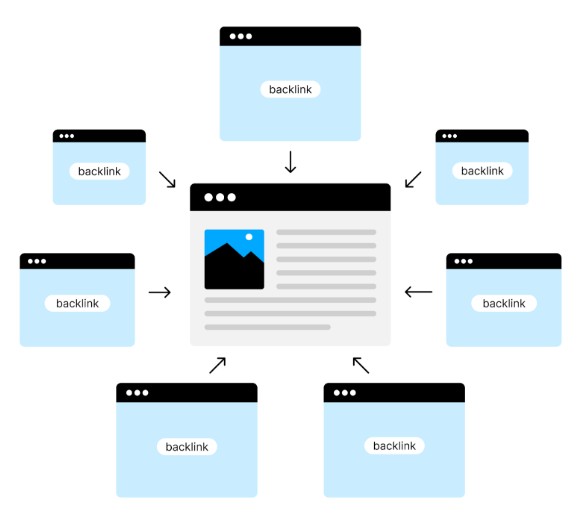
Backlinks remain one of the strongest off‑page ranking factors, and even free link tools can reveal valuable insights.
- Stop guessing who links to you. Use our [Free Backlink Checker] to see your top referring domains and spy on your competitors’ links.
- Identify obviously broken situations—such as links pointing to pages that now return 404 errors—and set up redirects so that existing link equity continues to flow to relevant pages.
- Review anchor text patterns where possible. Aim for a natural mix of brand names, generic anchors (like “click here”), and descriptive keyword phrases instead of relying on one exact‑match term. This combination of checking, fixing, and balancing often produces measurable ranking improvements even before you actively build new links.
6. Weekly Workflow with Tools

The real power of free SEO tools comes from using them consistently rather than running one‑off checks.
A simple weekly routine could look like this:
- Technical check: Scan for new errors, broken links, or performance issues and fix the highest‑impact problems.
- Keyword & content: Research one new topic, outline a blog post or landing page, and confirm you are targeting realistic, intent‑driven phrases.
- On‑page optimization: Publish or update content, then review meta tags, headings, internal links, and keyword usage.
- Backlinks: Check for new links, spot any new broken‑link situations, and note promising sites that link to your competitors but not yet to you.
- Review and plan: Look at changes in rankings and organic traffic for key pages like your homepage, then decide what to focus on the following week.
You do not need enterprise software to build this habit—just a focused set of free tools and a consistent checklist.
7. Connect to Business Goals

Better rankings only matter if they support real business outcomes.
- Tie each optimization to a clear goal: more sign-ups, more usage of a specific tool like the keyword suggestion tool, more inquiries, or more sales.
- Track how visitors from organic search behave on your site: which pages they land on, which tools they interact with, and where they drop off.
- Use these insights to decide which pages deserve more content updates, stronger internal links, and future link‑building efforts. When free SEO tools are aligned with concrete goals, they turn from “nice reports” into a growth system that steadily compounds over time.